

Author : Enerpize Team
What are Overhead Costs: A Comprehensive Guide with Examples
Table of contents:
- Key Takeaways
- What Are Overhead Costs?
- Types of Overhead Costs
- Overhead Costs Examples
- Overhead Cost Formula
- How to Calculate Overhead Costs?
- Example of Calculating Overhead Costs
- Importance of Calculating Overhead Costs for Business
- How to Reduce Overhead Costs?
- Streamline Overhead Management with Enerpize
- FAQs
- Final Thoughts
Costs are a constant concern for everyone involved in running a business—from owners and executive managers to accountants and investors. When managed effectively, costs can support sustainable growth and operational efficiency. When neglected, however, they can lead to declining revenues, dissatisfied customers, poor financial performance, and, in severe cases, business failure.
One of the key distinctions between profitable and struggling companies lies in how efficiently they manage costs across all operations, departments, and processes. As businesses grow, expenses naturally increase, and without proper control, budgets can easily exceed projections. These excess or indirect expenses—commonly referred to as overhead costs or overruns—can quietly erode profitability if left unmanaged.
Overhead costs play a critical role in cost accounting, even though they are often underestimated. Poor oversight of these costs during periods of growth can result in reduced profitability, operational inefficiencies, compliance risks, competitive disadvantages, lower employee morale, and unexpected business disruptions.
Understanding what overhead costs are and how they affect your financial performance is the first step toward managing them effectively. By gaining clarity on overhead cost definitions, examples, calculation methods, and reduction strategies, business owners and executive managers can maintain cost efficiency, ensure compliance, and protect long-term profitability.
In this post, you’ll learn why overhead costs matter in accounting, how to calculate and control them using practical formulas and examples, and how solutions like Enerpize can help streamline overhead cost management.
Key Takeaways
- Overhead costs are unavoidable indirect expenses required to keep a business operating, regardless of industry, size, or location.
- Uncontrolled overhead costs can significantly impact profitability and financial stability, making effective oversight essential for long-term sustainability.
- Overhead costs are typically classified into three types: fixed, variable, and semi-variable, and their behavior may change as a business grows or restructures.
- Common overhead expenses include rent, salaries, insurance, advertising, legal costs, travel, and utilities, each carrying different levels of financial risk.
- Overhead costs are calculated by summing indirect materials, indirect labor, and indirect expenses, providing visibility into the true cost of running a business.
- Accurately calculating overhead costs supports critical business functions, including pricing, profitability analysis, budgeting, forecasting, break-even analysis, tax planning, and financial reporting.
- The overhead absorption rate helps allocate indirect costs to products or services, using one of six commonly accepted calculation methods.
- High overhead costs raise the break-even point, delay profitability, and can weaken a company’s competitive position if not managed carefully.
- Reducing overhead costs requires continuous review and optimization, including improving workflows, managing subscriptions, negotiating supplier terms, optimizing workspace usage, and controlling energy consumption.
- Building a cost-conscious culture enhances long-term efficiency, encouraging accountability and smarter spending across the organization.
- Automated accounting and ERP systems simplify overhead management, enabling accurate tracking, allocation, reporting, and compliance.
- Enerpize supports end-to-end overhead cost management, helping businesses automate expense tracking, reporting, and financial control to maintain efficiency and profitability.
What Are Overhead Costs?
Overhead costs are business expenses that are not directly tied to producing goods or delivering services, yet they are essential for keeping a company operational. These costs are common to every business, regardless of industry, size, or geographic location.
For example, a company that sells outdoor gear and operates a large warehouse in a hurricane-prone area may incur high insurance premiums. While necessary, such insurance represents an overhead cost that can significantly impact profitability if not carefully managed.
As businesses grow and continue operating, both direct and indirect expenses tend to increase. Maintaining the right balance between these costs is crucial to controlling operating expenses and protecting profit margins.
Overhead costs take many forms and pose varying levels of risk depending on a company’s financial health. If left unchecked, they can become a major burden and, in extreme cases, threaten a company’s ability to remain profitable or even solvent. For this reason, effective oversight of overhead expenses is critical to long-term business sustainability.
In short, managing overall costs—especially overhead—is essential to ensuring financial stability and continued success.
Read Also: How to Track Business Expenses
Types of Overhead Costs
Overhead costs are typically classified as fixed, variable, or semi-variable, depending on how they respond to changes in business activity. As businesses grow and evolve, different types of overhead emerge, and what is considered fixed, variable, or semi-variable may change over time.
For example, a small company with a single fixed rent expense may need to restructure its overhead when it divides its workspace to support different business functions—each with its own lease terms and management requirements. This principle applies to nearly all types of overhead, as their degree of variability can shift with operational and market changes.
To better understand how overhead costs function, below is a detailed explanation of each type:
Every Overhead Type, Tracked Automatically. Enerpize categorizes your fixed, variable, and semi-variable expenses in real time so you always know exactly where your money is going. Start for free.
1- Fixed Overhead
By definition, fixed overhead costs remain relatively constant over extended periods, regardless of business activity levels or market conditions. Common examples include rent, salaries, and insurance.
Take rent as an example. Leasing office space represents a fixed overhead that companies must manage carefully. Although rent may not always be high, it is typically fixed for a specified period or paid month-to-month.
This is an important consideration, as rent expenses can still change due to external factors such as currency fluctuations, inflation, or regulatory developments.
2- Variable Overhead
Variable overhead costs fluctuate in direct response to business activity and market conditions. Examples include advertising, legal expenses, and travel costs.
Legal costs, for instance, can extend over long periods and significantly increase overhead—sometimes exceeding revenue in a given reporting period. For this reason, legal expenses must be closely monitored and carefully accounted for.
While unavoidable in some situations, excessive legal overhead can determine a company’s success or failure, as seen in several high-profile antitrust cases involving major U.S. technology companies.
3- Semi-Variable Overhead
Semi-variable overhead combines fixed and variable components: part of the cost remains constant, while another portion fluctuates with usage or activity. Examples include sales commissions and manufacturing overhead costs.
In industrial environments, manufacturing overhead typically includes a fixed base cost applicable across facilities, along with a variable component that depends on production levels and resource usage.
Rising utility prices, for example, can significantly increase variable manufacturing overhead, triggering cascading effects across the broader economy. This is why optimizing utility expenses—and, by extension, energy costs—is essential for manufacturers seeking to remain competitive.
Overhead Costs Examples
As noted, overhead costs generally fall into three main categories: fixed, variable, and semi-variable. Each category includes a wide range of cost items, as outlined below.
1- Rent
Rent is a classic example of a fixed overhead cost. Leasing office or operational space to conduct business activities, such as maintaining a headquarters, is a common practice. Many companies prefer leasing rather than purchasing property to preserve capital and maintain flexibility.
While rent is typically fixed for a defined period, it still requires careful management as it represents a recurring financial commitment.
Recommended for you: Lease Journal Entries in Accounting: Types, Standards & Calculating Steps
2- Salaries
Salaries, or labor costs, are another well-known example of fixed overhead. All organizations maintain payroll obligations, whether employees are paid weekly, monthly, or quarterly. Payroll structures can vary significantly, especially for companies operating across multiple countries with a mix of full-time, part-time, and project-based roles.
Managing labor costs efficiently across different job roles, pay scales, and jurisdictions is critical to optimizing workforce productivity and maximizing return on labor investment.
3- Insurance
Insurance is an essential fixed overhead cost for companies operating in certain industries, such as freight, logistics, or manufacturing, where coverage is required to mitigate operational risks. In many jurisdictions, insurance premiums are legally mandated, requiring companies to budget for recurring payments.
Even when not legally required, maintaining adequate insurance coverage is considered best practice—particularly in today’s dynamic and uncertain business environment, where risks such as social unrest, regulatory changes, and natural disasters are increasingly common.
4- Advertising
Advertising is typically classified as a variable overhead cost because it fluctuates with business strategy, market conditions, and customer behavior. Companies invest in advertising to build brands, promote products, and engage customers.
The scale and timing of advertising spend depend largely on financial priorities and performance. Notably, advertising budgets are often among the first expenses reduced during periods of liquidity or profitability pressure, reflecting the absence of a one-size-fits-all approach.
5- Legal Costs
Legal costs are inherently variable and highly elastic. While many organizations rely on in-house legal teams for routine matters, they may engage external legal counsel on a temporary or permanent basis to handle complex issues such as mergers and acquisitions, intellectual property protection, litigation, or regulatory compliance.
These costs can fluctuate significantly depending on the nature and duration of legal proceedings.
6- Travel Costs
Travel expenses represent another variable overhead cost driven by operational requirements. Larger organizations typically incur higher travel costs due to their broader geographic footprint.
For example, multinational companies often allocate dedicated travel budgets for regional or country managers who must negotiate contracts, liaise with government authorities, or conduct on-site audits and inspections.
7- Semi-Variable Overheads
Semi-variable overheads include costs that combine both fixed and variable elements. A common example is sales compensation for organizations with large sales teams. Companies that use a base salary plus commission structure must manage both the fixed salary component and the variable commission element.
This becomes especially complex for businesses operating across multiple jurisdictions, where compensation structures, commission rates, and regulatory requirements may vary significantly.
Overhead Cost Formula
The standard formula used to calculate your overhead cost is as follows:
Overhead Cost = Indirect Materials + Indirect Labor + Indirect Expenses
The designation “indirect” refers to all costs and expenses incurred by a company, separate from production-related costs, which constitute overhead costs.
Read Also: Direct VS Indirect Costs: A Comprehensive Guide
How to Calculate Overhead Costs?
Overhead costs are the ongoing expenses required to keep a business operating and “keep the lights on.” While these costs are essential to daily operations, they are not directly linked to producing goods or generating revenue. Because they support the business as a whole rather than a specific product or service, overhead costs are also known as indirect expenses.
Unlike direct costs, overhead costs cannot be traced to a specific revenue source. The lower a company’s overhead, the higher its potential profitability, assuming all other factors remain constant. By quantifying overhead costs, management can determine how much must be sold to cover operating expenses and achieve profit targets.
Calculating overhead costs correctly helps businesses understand their cost structure, assess profitability, set prices, plan budgets, and determine break-even points. Here are the Steps to calculate overhead costs, presented in a clear and organized way, combining all the key concepts and essential steps:
Stop Running Overhead Formulas Manually. Enerpize calculates your overhead rate, overhead-to-sales ratio, and absorption rate automatically so your team can focus on reducing costs. Start for free.
1- Identify and List All Overhead Expenses
Start by identifying all costs that qualify as overhead for your business within a defined reporting period (weekly, monthly, or annually). These typically include indirect expenses such as:
- Rent or lease payments
- Salaries of administrative staff
- Insurance
- Utilities
- Legal and professional fees
- Office equipment and supplies
The classification of a cost as direct or indirect depends on its relationship to your operations. A material or resource that is essential to production for one company may be an indirect support cost for another.
2- Add Total Overhead Costs
Once all overhead expenses are identified, add them together to determine the total overhead for the selected period. This aggregated figure represents the full cost of maintaining business operations during that timeframe.
3- Calculate the Overhead Rate
The overhead rate shows how much indirect cost is incurred relative to direct costs and is calculated as:
Overhead Rate = (Total Indirect Costs ÷ Total Direct Costs) × 100
A lower overhead rate generally indicates higher efficiency, as the business spends less on indirect support relative to production or service delivery.
4- Compare Overhead Costs to Sales
To understand how overhead affects pricing and revenue generation, calculate the overhead-to-sales ratio:
Overhead-to-Sales Ratio = (Overhead Costs ÷ Sales) × 100
This ratio helps businesses set prices, evaluate cost structures, and prepare realistic budgets.
5- Compare Overhead Costs to Labor Costs
This comparison assesses how efficiently labor resources are utilized relative to overhead:
Overhead-to-Labor Cost Ratio = (Overhead Costs ÷ Labor Costs) × 100
Lower ratios suggest better labor utilization and more efficient operational management.
Overhead Absorption Rate
The overhead absorption rate is used to allocate indirect production costs to goods or services. These costs include indirect labor, utilities, machine usage, and other manufacturing overheads that cannot be traced to individual units.
There are six commonly used methods for calculating overhead absorption:
- Percentage of Direct Material Cost: (Overhead ÷ Direct Material Costs) × 100
- Percentage of Direct Labor Cost: (Overhead ÷ Direct Wages) × 100
- Percentage of Prime Cost: (Overhead ÷ Prime Cost) × 100
- Labor Hour Rate: Overhead ÷ Total Labor Hours
- Machine Hour Rate: Overhead ÷ Total Machine Hours
- Sales Price Method: Overhead ÷ Sales Price of Production Units
Each method allocates overhead differently, depending on which activity best reflects the indirect costs' consumption.
Calculating overhead costs goes beyond simply adding expenses. By comparing overhead against sales and labor costs, businesses gain a clearer view of how revenue and resources are used. This comprehensive perspective supports better pricing, improved cost control, accurate forecasting, and informed strategic decisions.
In short, understanding and calculating overhead costs enables businesses to operate more efficiently, manage risks, and work toward sustainable profitability.
Download Now: Free Overhead Calculation Excel Worksheet to calculate overhead without hassle.
Read Also: How To Calculate Direct Cost: Formula And Examples
Example of Calculating Overhead Costs
Reported Data
- Rent: $3,000 per month
- Utilities (electricity, water, gas): $500 per month
- Salaries of administrative staff (e.g., HR, accounting): $4,000 per month
- Office supplies: $200 per month
- Equipment maintenance: $300 per month
- Insurance: $600 per month
Steps to Calculate Overhead Costs
Step 1: List All Indirect Expenses
- Rent: $3,000
- Utilities: $500
- Administrative salaries: $4,000
- Office supplies: $200
- Equipment maintenance: $300
- Insurance: $600
Step 2: Calculate Total Overhead Costs
Total Overhead Costs = 3,000 + 500 + 4,000 + 200 + 300 + 600 = $8,600
This means the company’s total monthly overhead costs amount to $8,600.
Calculating the Overhead Absorption Rate
To calculate the overhead absorption rate according to the percentage of direct labor cost method, as mentioned above, assume that the total direct labor costs are $20,000:
Formula:
Overhead Absorption Rate = (Total Overhead Costs ÷ Direct Labor Cost) × 100
Calculation:
(8,600 ÷ 20,000) × 100 = 43%
This indicates that for every dollar spent on direct labor, $0.43 is spent on overhead.
Importance of Calculating Overhead Costs for Business
Overhead costs play a critical role in accounting and financial management. Below are practical reasons why accurately identifying, calculating, and managing overhead costs is indispensable for businesses.
1- Accurate Product Pricing
Companies can only set accurate product prices and develop effective pricing strategies if overhead costs are properly accounted for. Although indirect costs are not included in direct production costs, they directly influence a company’s ability to generate revenue.
The high variability of overhead expenses—particularly in larger organizations—makes managing and predicting overhead costs challenging. This variability has significant implications for pricing decisions, as products with fluctuating cost structures may be underpriced, leading to financial losses.
2- Profitability Analysis
Calculating overhead costs is a core component of cost accounting and is essential for conducting profitability analysis.
As part of overhead cost calculations, financial planners, controllers, and auditors must identify inefficiencies in processes and activities that drive costs upward. For example, if a specific product line consistently underperforms or becomes increasingly unfavorable in a given market—leading to declining revenue or losses—management may decide to discontinue it.
In such cases, the overhead costs indirectly incurred to support that product represent expenses that are better eliminated to protect overall profitability.
3- Budgeting and Forecasting
Accurate overhead cost accounting is fundamental to effective budgeting and forecasting. Financial planners and controllers can only prepare reliable budgets or forecasts for existing or future products and operating expenses when overhead costs are accurately measured and supported by sound profitability analysis.
4- Cost Control and Efficiency
Cost control and operational efficiency are especially critical in industries where input materials account for a large portion of the cost of goods sold (COGS).
Mining companies provide a clear example. These companies often operate in remote locations where staff accommodation, lighting, transportation, and travel expenses create substantial overhead. Without effective cost controls and efficiency measures, such overheads can quickly erode profit margins, potentially leading to long-term losses.
5- Break-even Analysis
Break-even analysis compares total costs with unit selling prices to determine when a company will recover its costs and begin generating profits. High overhead costs increase the break-even point, delaying profitability and negatively affecting financial stability, growth, and long-term sustainability.
Download Now: Free Break-Even Analysis Template (Excel & Google Sheets)
6- Decision-Making
Sound business decisions depend on accurate financial data and analysis. When accounting practices fully capture all business expenses—including overhead costs—management is better equipped to make informed, rational, and sustainable decisions.
7- Tax Planning
Regulatory compliance is essential for businesses operating in any jurisdiction, regardless of whether tax laws are strict or lenient. Accurate and compliant financial reporting builds confidence in a company’s performance and strengthens its brand and reputation.
To meet compliance requirements, companies must report financial statements accurately, which requires that all costs, including overhead expenses, be recorded promptly and correctly.
8- Financial Reporting
Effective tax planning naturally supports strong financial reporting practices. When overhead costs are accurately accounted for, financial records can be properly entered, adjusted, reviewed, and audited in accordance with industry best practices and regulatory standards.
Overhead cost calculation and reporting form a continuous, cyclical process. Accurate product pricing, profitability analysis, budgeting and forecasting, cost control and efficiency, break-even analysis, decision-making, tax planning, and financial reporting are all interconnected. Together, they highlight the indispensability of accurate, timely, and compliant overhead accounting for business success.
9- Impact of Overhead Costs
To place overhead costs in a proper context, cost prediction has long been a subject of academic and business research. Petr Novák et al., in their study “Analysis of Overhead Cost Behavior: Case Study on Decision-Making Approach,” demonstrate that predicting overhead cost behavior and supporting decision-making through regression models require optimizing the ratio of total manufacturing time to production volume.
These findings reflect broader structural changes in enterprise activities driven by increasing customer demand for product customization, intensified research and development investments, and innovation initiatives. As a result, overhead cost structures have shifted significantly, reaching approximately 35–40% around the 2007/2008 financial crisis.
The importance of overhead costs cannot be overstated. Businesses risk substantial losses if overhead expenses are not accurately accounted for—whether manually or through automated systems.
Read Also:
How to Prepare an Income Statement: Steps & How to Automate
How to Reduce Overhead Costs?
Overhead costs are essential to running a business, but they are not beyond control—especially for small and growing businesses. While many overhead costs are fixed and do not fluctuate from month to month, there are practical ways to reduce or eliminate certain expenses. Doing so can improve profit margins and help maintain healthy cash flow.
Overheads, though they may appear marginal individually, can have wide-ranging knock-on effects across a business. Learning how to optimize these costs offers business owners and executive managers significant benefits, while failing to manage them can result in lost profitability and efficiency.
Below are key strategies and best practices for reducing overhead costs:
1- Review and Analyze Overhead Costs
A deep review of overhead costs is a critical first step. Businesses should examine all overhead expenses and identify items that are too expensive, open to efficiency improvements, or no longer necessary. Once such costs are identified—such as licenses or subscriptions no longer in use—steps can be taken to reduce or eliminate them.
2- Outsource Specific Functions
Instead of hiring additional employees for certain tasks, such as accounting or tax preparation, businesses may consider outsourcing to third parties. This approach reduces employee-related costs, including health benefits and pensions. Outsourcing also provides flexibility, allowing businesses to scale costs more easily if overhead reductions become necessary.
3- Rethink Workspace Design and Usage
Physical office spaces often account for a significant portion of overhead costs, including rent and utilities. Workspace design and usage should adapt to evolving business needs. Options such as remodeling, relocating, subleasing unused space, or adopting a remote-first work model—with a smaller central office for meetings and interviews—can substantially reduce overhead expenses.
4- Optimize Workflows and Operations
Optimizing processes, workflows, and operations helps close inefficiencies that drive overhead costs. Automation, when appropriate, allows staff to focus on more strategic activities and improves overall operational efficiency.
5- Negotiate Prices and Supplier Terms
Businesses should not automatically accept set prices from suppliers, vendors, or partners. Reviewing available options and negotiating better terms can lead to meaningful overhead savings.
6- Manage Software, Subscriptions, and Technology Costs
Software, systems, and subscriptions often continue indefinitely unless reviewed. Businesses should reconsider software upgrades, especially when salvage value is minimal. Rather than rolling out costly software licenses to all employees, it may be more cost-effective to limit access to those who genuinely need them.
Subscriptions across all areas—education, workflow management, and product development—should be revisited regularly to eliminate unnecessary costs and identify better-value alternatives.
7- Buy in Bulk Where Cost-Effective
If wholesale pricing offers savings compared to retail, purchasing in bulk can reduce costs. In times of fluctuating supply prices, buying in advance can lead to significant savings later.
8- Improve Energy Efficiency and Go Green
Energy costs are rising, making it essential to manage utility overheads carefully. Investing in energy-efficient lighting and heating equipment and encouraging energy-conscious habits among employees can help keep costs manageable. Reducing reliance on paper and moving toward digital processes further lowers operating and overhead expenses while benefiting the environment.
9- Build a Cost-Conscious Culture
Developing a cost-conscious culture within the organization is key to sustained overhead optimization. Educating employees on best practices for cost control and recognizing those who contribute to savings encourages accountability and long-term efficiency.
In summary, reducing overhead costs requires continuous review, optimization, and awareness. When businesses actively manage overhead expenses, they improve profitability, cash flow, and long-term resilience—while failing to do so can place unnecessary strain on financial performance.
The Fastest Way to Cut Overhead Is to See It Clearly. Enerpize gives you a centralized dashboard of every indirect expense, recurring cost, and department spend so nothing stays hidden. Start for free.
Streamline Overhead Management with Enerpize
Getting overhead costs under control is a business necessity. Effective overhead cost management has proven to be a business saver, particularly for companies operating in high-risk environments.
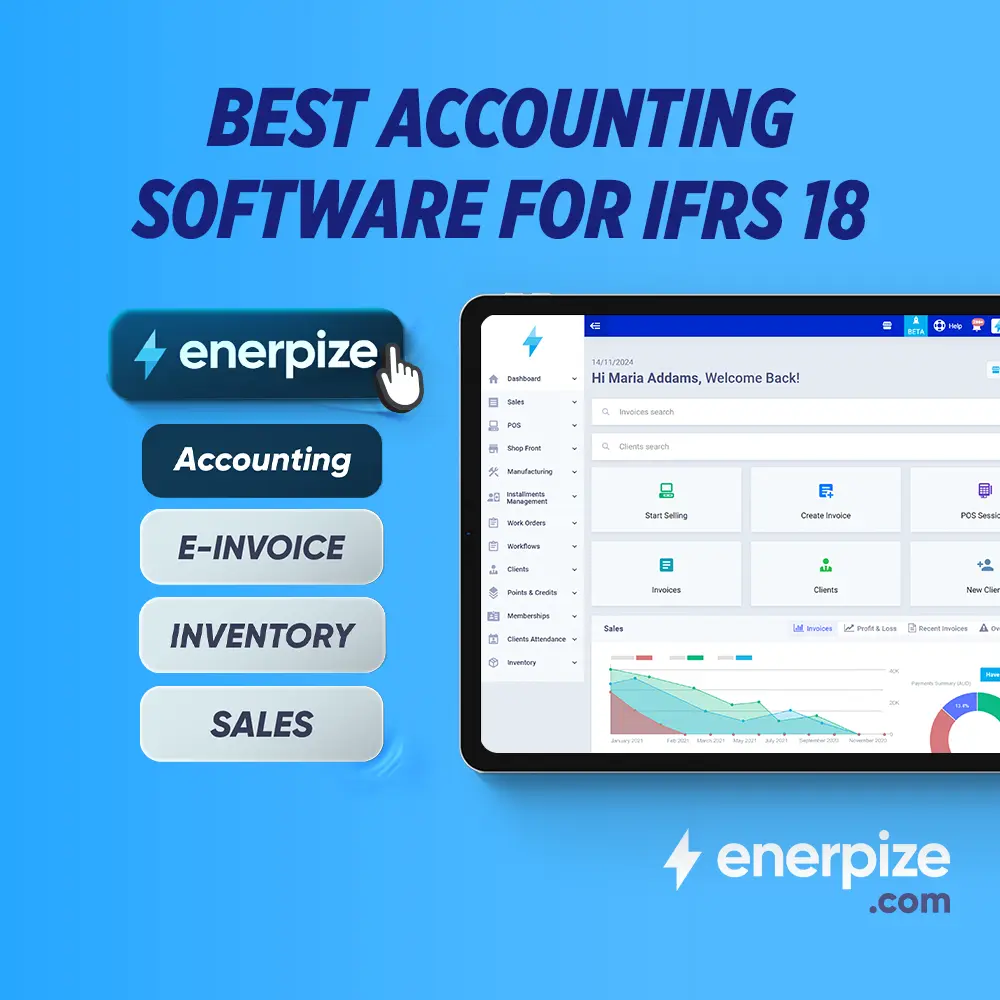
Enerpize is an ERP and online accounting software designed to support complex and automated expense calculations. With a broad range of accounting, sales, operations, and inventory management features, Enerpize enables businesses of all sizes to optimize costs efficiently and compliantly—including overhead cost management.

For business owners and executive managers seeking to optimize overhead costs, Enerpize provides the following capabilities:
- Automatically adding expenses from any device or platform, at any time
- Automatically tracking all spending through a centralized, easy-to-use dashboard
- Customizing the display of revenue, expenses, and net income to generate tailored invoices, expense reports, and accounting reports on a daily, weekly, or monthly basis
- Monitoring operational expenses end-to-end to control costs, including overheads, and calculate profitability per product, department, or salesperson
- Maintaining accurate records of all financial transactions to prepare compliant, reporting-ready financial statements and reports, either automatically or on a periodic basis
- Automatically setting recurring expenses daily, weekly, monthly, or according to custom reporting periods by customer, employee, or business activity
- Auto-assigning and forwarding billable expenses to customers
- Auto-listing all identified accounts to record transactions accurately in the general ledger
- Auto-categorizing expenses, vendors, and customers to generate organized, printable, and shareable invoices, receipts, and expense reports
- Customizing invoice ranges and generating compliant invoices
- Defining and applying tax options such as GST, VAT, and EXP across all operating markets on a monthly, quarterly, or annual basis
- Using multicurrency and tax features to manage payment and tax obligations end-to-end by generating country-specific invoices and tax reports
- Auto-tracking every expense incurred by staff through intuitive, automated expense reports
Managing overhead costs does not have to be complex. With Enerpize, businesses can automate overhead cost tracking, calculation, and reporting as part of their daily operations.
Try Enerpize free for 14 days and experience how streamlined overhead cost management can keep your accounting operations efficient, accurate, and compliant—while keeping overhead costs firmly under control.
FAQs
What is included in overhead costs?
Overhead costs include all indirect expenses required to keep a business operating, but that are not directly tied to producing goods or delivering services. These typically include rent, administrative salaries, insurance, utilities, advertising, legal fees, travel expenses, and other indirect materials, labor, and operating costs.
What are manufacturing overhead costs?
Manufacturing overhead costs are indirect production expenses that support the manufacturing process but cannot be traced to a specific unit of output. These include indirect labor, machine usage, utilities, maintenance, and other factory-related costs that contribute to production without being direct materials or direct labor.
How do you allocate overhead costs?
Overhead costs are allocated using an overhead absorption rate. Common allocation methods include percentages of direct material and direct labor costs, prime cost, labor-hour rates, machine-hour rates, and sales price methods. These approaches distribute indirect costs systematically across products or services.
What expenses are not overhead?
Expenses that are directly attributable to producing a specific good or service are not overhead. These include direct materials and direct labor costs that can be clearly traced to individual products or revenue-generating activities.
What's the difference between overhead and expenses?
Expenses are a broad term that includes all costs incurred by a business, both direct and indirect. Overhead represents only the indirect portion of expenses—costs that support operations but are not directly linked to generating revenue from specific products or services.
What is another word for overhead costs?
Another commonly used term for overhead costs is indirect costs or indirect expenses, as they support business operations without being directly linked to the production of goods or the delivery of services.
Is water an overhead cost?
Yes. Water is typically classified as a utility expense and is considered an overhead cost, as it supports operations but is not directly traceable to a specific product or service.
Can overhead costs be tax-deductible?
Overhead costs are generally recorded as part of a company’s operating expenses and are included in financial statements prepared for tax reporting and compliance purposes. When properly documented and reported, these costs are typically considered in tax calculations in accordance with applicable regulations.

Final Thoughts
As a business owner or executive, understanding and managing overhead costs is essential. Tracking these expenses helps mitigate operational, market, and regulatory risks, as overhead is a constant factor in every organization’s growth.
Overhead costs are calculated by listing expenses, adding totals, computing the overhead rate, and comparing it to sales and labor costs. The overhead absorption rate, calculated using six methods—percentage of direct materials, direct labor cost, prime cost, labor hours, machine hours, and sales price—helps evaluate cost structure and operational efficiency.
Accurate overhead calculation is critical for pricing, demand forecasting, production planning, and financial performance. Overhead costs, which can be variable, fixed, or semi-variable, can jeopardize a business if not managed efficiently.
Best practices for optimization include rethinking workspace usage, streamlining workflows, negotiating prices, buying wholesale, managing subscriptions, improving energy efficiency, going green, and fostering a cost-conscious culture. Using leading accounting software can automate overhead management, ensuring accurate, smooth, and compliant operations while reducing the burden on staff and owners.
Calculating overhead costs is easy with Enerpize.

Try Enerpize accounting module to calculate overhead costs automatically.
Calculating overhead costs is easy with Enerpize.
Try Enerpize accounting module to calculate overhead costs automatically.