

Author : Haya Assem
What is Healthcare Inventory Management: A Complete Guide
Table of contents:
- Key Takeaways
- What is Health Inventory Management?
- How Health Inventory Management Improves Clinic Efficiency?
- Health Inventory Management Types
- Benefits of Healthcare Inventory Management
- How to Overcome the Healthcare Inventory Management Challenges
- Medical Clinic Inventory Management Best Practices
- How Enerpize Helps You Manage Your Medical Clinic Inventory
- FAQs
Inventory management is essential across all organizations, but in the healthcare sector, it becomes a matter of life and death. Clinics and hospitals rely heavily on the constant availability of medical supplies, including pharmaceuticals and critical equipment. Poor inventory control can lead to shortages that delay treatments, surgeries, or emergency interventions—putting patients’ lives at risk.
Effective inventory management not only ensures the availability of essential supplies but also helps prevent the use of expired or outdated items, safeguarding patient safety and maintaining high standards of care. For this reason, proactive and accurate inventory control is indispensable in healthcare settings.
Key Takeaways
- Inventory management in medical clinics is critical for patient safety, ensuring timely access to essential supplies, pharmaceuticals, and equipment while preventing shortages and the use of expired products.
- Medical inventory management software automates stock tracking, uses barcodes and RFID, monitors expiration dates, and maintains accurate records, improving efficiency, accuracy, and safety while minimizing waste.
- Analyzing usage patterns and distinguishing between critical and non-critical items helps optimize stock levels, reduce costs, and support smarter purchasing and lean inventory practices.
- Data analytics and historical trends enable demand forecasting, emergency preparedness, and proactive replenishment, ensuring clinics can respond quickly to fluctuations in patient needs.
- Monitoring storage conditions, supplier management, and standardized processes ensures regulatory compliance, reduces operational risks, and enhances coordination across departments.
- Cloud-based platforms like Enerpize provide real-time visibility, alerts for low or expiring stock, inventory audits, inter-warehouse transfers, and comprehensive reporting, allowing clinics to streamline workflows, improve billing accuracy, and maintain high-quality patient care.
What is Health Inventory Management?
Health inventory management is the process of tracking, controlling, and optimizing the flow of medical supplies within healthcare facilities such as clinics and hospitals. It includes managing a wide range of items, such as pharmaceuticals, surgical instruments, medical equipment, personal protective equipment (like masks), sanitation supplies used for medical office cleaning, and patient care supplies, while ensuring they are available, safe to use, and compliant with regulatory standards.
Unlike other industries, healthcare inventory management goes beyond cost efficiency. It primarily focuses on patient safety, quality of care, and readiness to respond to medical needs. This is especially important given the unpredictable nature of demand, where emergencies or disease outbreaks can rapidly deplete critical supplies and disrupt patient care.
The process is typically supported by specialized inventory management systems that automate tracking and monitoring. These systems help maintain accurate, real-time inventory levels, track expiration dates to prevent the use of outdated items, and ensure proper storage conditions. Technologies such as barcoding and RFID further enhance accuracy and efficiency by enabling automatic updates as items are used.
By implementing effective health inventory management practices, healthcare providers can minimize waste, avoid shortages or overstocking, and ensure that essential medical supplies are always available when needed, ultimately supporting better patient outcomes and safer healthcare delivery.
Read Also: ABC Analysis Method: Definition, Advantages, and Disadvantages
How Health Inventory Management Improves Clinic Efficiency?
Health inventory management significantly improves clinic efficiency by optimizing workflows, reducing costs, and ensuring the seamless availability of medical supplies. By replacing manual processes with automated systems, clinics can operate more effectively while maintaining high standards of patient care.
1- Automation and Process Simplification
Inventory management systems automate key tasks such as stock tracking, reordering, and reporting. This reduces the need for manual data entry, minimizes errors, and eliminates time-consuming administrative work—allowing healthcare staff to focus on patient care.
2- Real-Time Visibility and Accurate Tracking
With real-time inventory monitoring, clinics always have a clear view of stock levels, usage patterns, and item locations. This visibility helps prevent stockouts and overstocking while ensuring that supplies are available when needed.
3- Reduced Operational Costs
Efficient inventory management lowers costs by avoiding unnecessary purchases, minimizing waste from expired items, and eliminating expensive last-minute orders. Better control over inventory also improves budgeting and financial planning.
Read Also: How to Track Business Expenses?
4. Streamlined Workflow and Productivity
Organized and well-tracked inventory enables faster access to medical supplies, reducing delays and improving overall workflow. Staff spend less time searching for items or managing stock issues, which enhances productivity across the clinic.
5. Improved Coordination and Accessibility
Modern inventory systems provide shared access across departments, ensuring all teams are aware of available supplies. Features like barcode scanning and check-in/check-out tracking help prevent misplaced items and improve coordination.
6. Smarter Purchasing and Demand Forecasting
Inventory systems use data analytics to predict demand, set minimum and maximum stock levels, and automate replenishment. This ensures clinics always have the right quantity of supplies without overstocking or shortages.
7. Enhanced Billing and Financial Accuracy
Accurate tracking of inventory usage ensures that all medical items are properly recorded and billed. This reduces financial discrepancies and improves revenue cycle management.
8. Regulatory Compliance and Safety Assurance
Inventory management systems help clinics comply with healthcare regulations by maintaining detailed records, tracking expiration dates, and ensuring proper storage conditions. This reduces risks and enhances patient safety.
9. Emergency Readiness and Continuity of Care
By maintaining optimal inventory levels, clinics are better prepared to handle emergencies and sudden increases in demand. This ensures uninterrupted patient care even in critical situations.
10. Reduced Human Error and Data Inconsistencies
Manual systems often lead to inaccurate records and outdated information. Automated inventory management eliminates these issues by maintaining consistent, up-to-date data across the organization.
Health inventory management is a key driver of clinic efficiency. By automating processes, improving visibility, and enabling data-driven decisions, it reduces operational burdens, controls costs, and ensures that healthcare providers can deliver timely, high-quality care without disruption.
Health Inventory Management Types
Healthcare organizations use different inventory management methods to control stock levels and ensure the availability of medical supplies when needed. These methods play a key role in cost control and operational efficiency. The two main types are:
1- Periodic Inventory Management
Periodic Inventory Management method involves counting inventory at regular intervals, such as weekly, monthly, or quarterly. It is simple and cost-effective, making it suitable for smaller healthcare facilities. However, it relies on manual counting and may lead to inaccuracies, overstocking, or stock shortages between inventory checks.
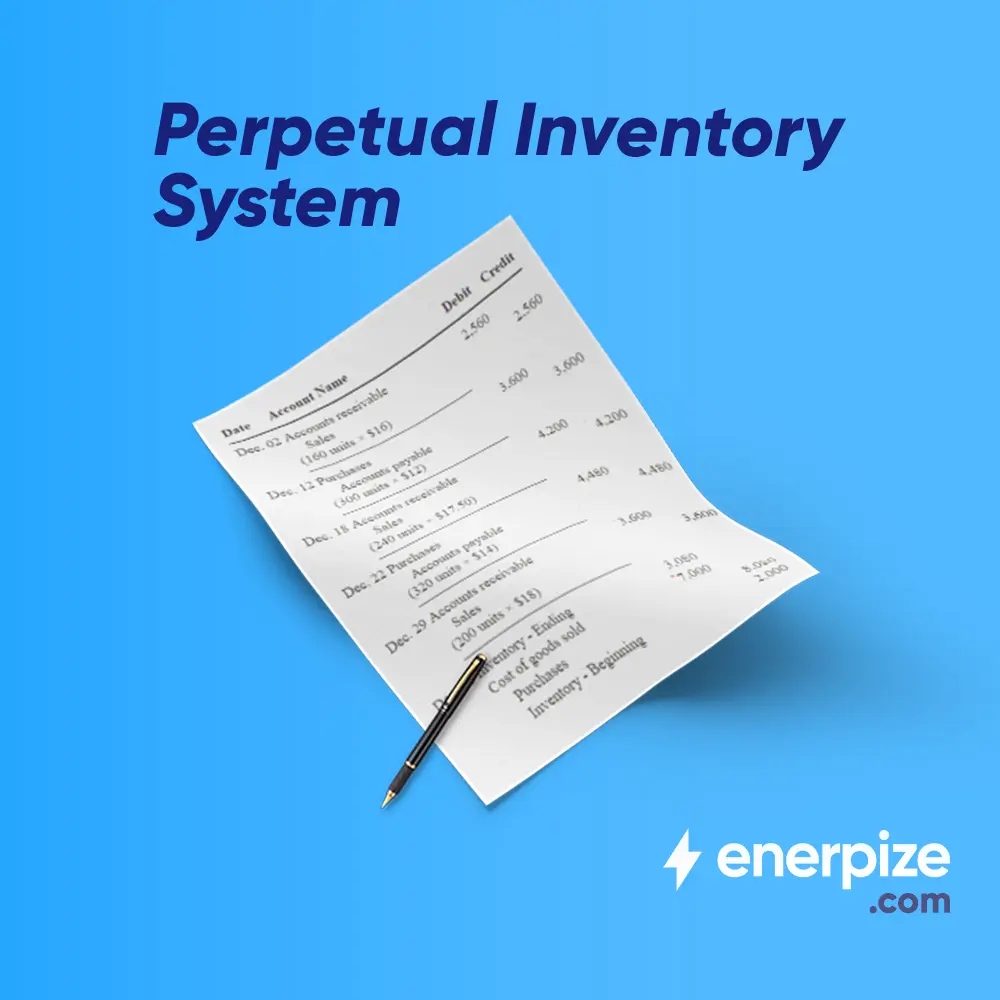
2- Perpetual Inventory Management
Perpetual Inventory Management is a more advanced method that uses inventory management software and automated systems to update stock levels in real time as items are received or used. It provides continuous visibility and higher accuracy but requires investment in technology and training. This method is commonly used in larger healthcare facilities or those with high inventory turnover.
Benefits of Healthcare Inventory Management
Healthcare inventory management delivers significant value to medical clinics and healthcare organizations by improving efficiency, reducing costs, and enhancing patient care. By leveraging automated systems and accurate tracking, healthcare providers can optimize operations while maintaining high standards of safety and service.
1. Enhanced Patient Care and Safety
Effective inventory management ensures that essential medical supplies are always available, safe, and up to date. It prevents treatment delays and reduces the risk of using expired or recalled items, leading to better patient outcomes and higher-quality care.
2. Improved Operational Efficiency
Automating and streamlining inventory processes simplifies daily operations, reduces administrative workload, and minimizes delays. This allows healthcare staff to focus more on patient care rather than manual inventory tasks, boosting overall productivity.
3. Real-Time Tracking and Visibility
Modern inventory systems provide real-time monitoring of stock levels, ensuring accurate and up-to-date records. This helps maintain optimal inventory levels, avoiding both shortages and overstocking while enabling faster, more informed decision-making.
4. Cost Reduction and Better Budgeting
Accurate inventory control helps minimize waste caused by expired or excess stock. It also reduces the need for urgent, high-cost purchases, enabling healthcare organizations to optimize spending and stay within budget.
5. Billing Accuracy and Financial Control
Efficient inventory tracking ensures that all used medical items are properly recorded and billed. This reduces invoicing errors, avoids financial discrepancies, and strengthens overall financial management.
6. Reduced Human Error
Automation significantly reduces the likelihood of mistakes in manual processes, such as incorrect stock counts or missed updates, resulting in more reliable and consistent operations.
7. Regulatory Compliance and Traceability
Inventory management systems maintain detailed records of medical supplies, including purchase history, usage, and expiration dates. This supports compliance with healthcare regulations and ensures traceability during audits or product recalls.
8. Data-Driven Decision Making
Advanced analytics provide insights into inventory usage and demand patterns. This enables better forecasting, smarter purchasing decisions, and more efficient resource allocation.
9. Improved Patient Satisfaction
Having the right supplies available at the right time enables clinics to deliver faster, more efficient services, enhancing the overall patient experience and building trust.
10. Emergency Preparedness
Well-managed inventory ensures healthcare facilities are always ready to handle emergencies, such as sudden demand spikes or public health crises, without disrupting patient care.
11. Improved Supplier Management
Clear visibility into inventory needs helps healthcare providers build stronger relationships with suppliers, negotiate better terms, and maintain a consistent supply of critical items.
12. Waste Reduction and Sustainability
By optimizing stock levels and monitoring expiration dates, healthcare organizations can significantly reduce waste and support more sustainable operations.
Healthcare inventory management is a critical component of efficient and reliable healthcare delivery. It not only streamlines operations and reduces costs but also enhances patient safety, satisfaction, and overall quality of care, making it essential for modern healthcare organizations.
How to Overcome the Healthcare Inventory Management Challenges
Healthcare inventory management involves several critical challenges that can impact operations, costs, and patient care. Below are the key challenges and how to overcome them:
1. Unpredictable Demand
Healthcare demand can change suddenly due to emergencies, pandemics, or evolving patient needs, making it difficult to maintain the right stock levels.
Solution:
Use data analysis and historical usage patterns to improve demand forecasting and better anticipate inventory needs.
2. Inventory Inaccuracy
Manual tracking can lead to misplaced items, incorrect counts, and discrepancies between actual and recorded stock. It can also result in expired products being unused or mistakenly used.
Solution:
Implement real-time tracking systems and conduct regular inventory audits to ensure accurate and up-to-date records.
Enerpize automates inventory tracking, provides real-time visibility into stock levels, and sends alerts for low or expiring items. This not only reduces human errors but also ensures accurate records, better control over medical supplies, and improved overall efficiency in clinic operations.
3. Regulatory Compliance and Quality Control
Healthcare facilities must follow strict regulations regarding the storage, handling, and tracking of medical supplies. Poor compliance can risk patient safety and lead to penalties.
Solution:
Use inventory systems that track expiration dates, monitor storage conditions, and maintain detailed records to ensure compliance and product traceability.
4. Cost Management
Balancing budgets while ensuring the availability of high-quality medical supplies can be difficult. Overspending leads to waste, while underspending can cause shortages.
Solution:
Optimize purchasing decisions, avoid overstocking, and reduce waste by monitoring inventory levels and usage patterns.
5. Technology Integration Issues
Healthcare organizations often use multiple systems that may not integrate well, leading to data silos and inefficient workflows.
Solution:
Ensure proper integration between inventory systems and other platforms (such as ERP and electronic health records) to improve data flow and visibility.
6. Supply Chain Disruptions and Supplier Reliability
Supply chains can be disrupted by external factors such as pandemics, transportation delays, or unreliable vendors, leading to shortages.
Solution:
Diversify suppliers, build strong vendor relationships, and maintain backup sourcing options to ensure a steady supply of critical items.
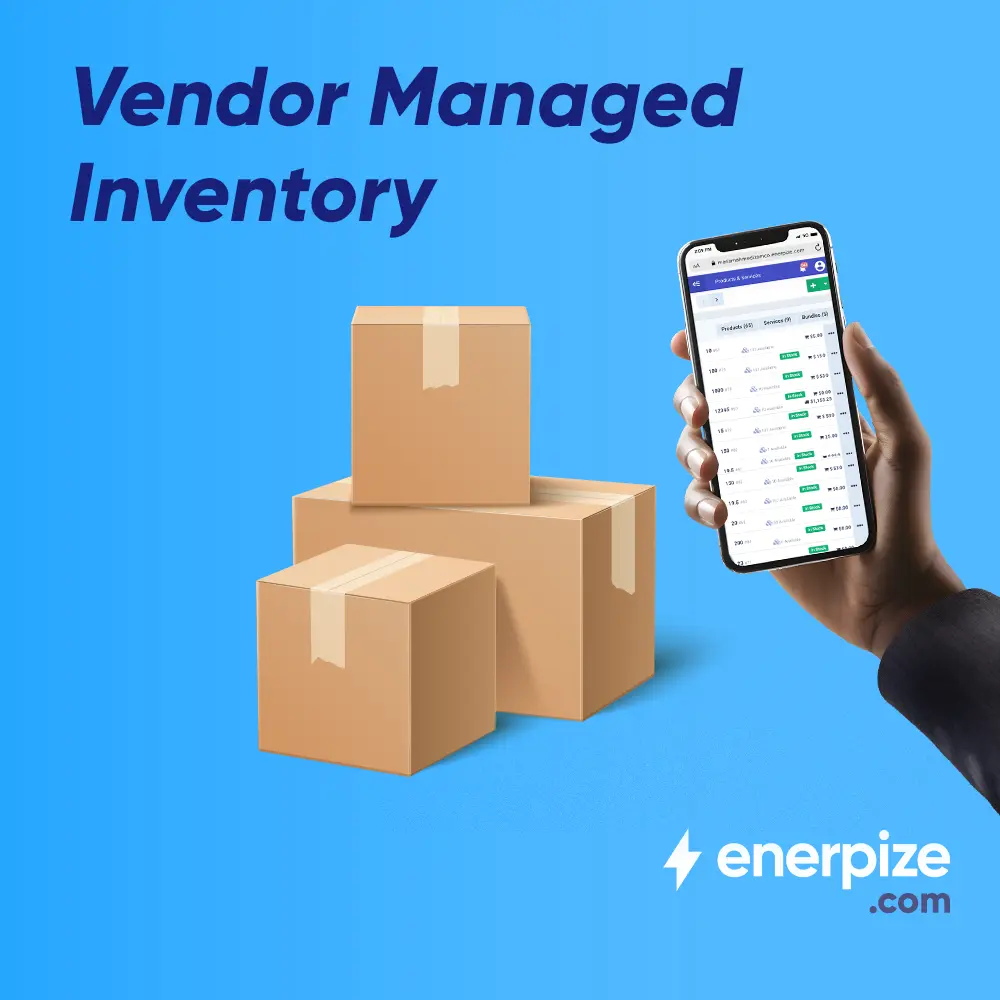
Read more about Vendor Managed Inventory
7. Workflow Inefficiencies and Resource Allocation
Poor coordination between departments and inefficient workflows can lead to delays, bottlenecks, and misallocation of resources.
Solution:
Improve cross-departmental coordination and streamline processes to ensure smooth operations and efficient use of resources.
8. Security and Theft Risks
Medical inventory includes high-value items that are vulnerable to theft, misuse, or data breaches.
Solution:
Implement controlled access, regular audits, surveillance systems, and strong data security measures to protect both physical inventory and sensitive information.
9. Staff Training and Compliance with Procedures
Lack of proper training or inconsistent adherence to procedures can result in errors, mismanagement, and compliance issues.
Solution:
Provide ongoing staff training and ensure all team members follow standardized inventory management protocols.
10. Sustainability Challenges
Healthcare organizations face pressure to reduce waste and adopt environmentally friendly practices, which can be difficult to implement.
Solution:
Reduce waste by optimizing inventory levels, sourcing responsibly, and improving supply chain efficiency.
By identifying these challenges and applying the appropriate solutions, healthcare organizations can improve inventory accuracy, reduce costs, ensure compliance, and maintain high-quality patient care.
Medical Clinic Inventory Management Best Practices
Effective inventory management is critical for medical clinics to ensure patient safety, reduce costs, and streamline operations. The following best practices help clinics maintain accurate, efficient, and compliant inventory systems.
1. Use healthcare inventory management software
Implement medical inventory management software to track stock levels in real time, automate reorders, and maintain accurate records. Tools like barcode scanning and RFID tags improve accuracy, speed up check-ins/check-outs, and reduce human errors.
Enerpize inventory management software keeps inventory accurate, tracks expirations, and provides multi-department visibility. It reduces waste, ensures supplies are always available, and lets staff focus on patient care, making it the ideal choice for clinics.
2. Organize Inventory Efficiently
Keep supplies well-structured to prevent misplaced items, unnoticed shortages, or overstocking. Apply principles such as FIFO (First In, First Out) and FEFO (First Expired, First Out) to minimize waste and ensure patient-safe use. Categorize items based on value and usage frequency for better control.
- Use our Free Online FIFO and LIFO Calculator to quickly calculate stock rotations, optimize your inventory workflow, and make smarter purchasing decisions for your clinic.
- Also, you can use our free FIFO Template Excel & Google Sheets to easily track stock rotation, monitor expiration dates, and keep your clinic inventory organized and efficient.
3. Conduct Regular Audits and Cycle Counts
Perform routine inventory audits and cycle counts to ensure records match actual stock. This prevents discrepancies, avoids stockouts, and ensures that expired items are not mistakenly used.
Read more about What Is Average Inventory and How to Calculate?
4. Optimize Stock Levels
Analyze usage patterns and seasonal trends to maintain optimal stock. Use lean inventory practices and just-in-time (JIT) ordering to reduce overstocking, minimize waste, and control storage costs. Research confirms that distinguishing between critical and non-critical items can improve stock efficiency and reduce costs.
5. Forecast Demand Using Data
Leverage historical data and usage analytics to predict patient demand and prevent shortages. Data-driven forecasting helps clinics prepare for emergencies, seasonal spikes, and fluctuations in supply requirements.
6. Strengthen Supplier Management
Develop strong relationships with reliable suppliers to ensure consistent deliveries. Diversify suppliers, centralize purchasing, and use electronic procurement systems to improve efficiency and reduce supply chain risks.
7. Standardize Processes and Train Staff
Create clear protocols for ordering, receiving, and tracking supplies. Train staff on these processes to ensure consistency, reduce errors, and improve coordination across clinic teams.
8. Monitor Expiration Dates and Ensure Compliance
Use inventory software to track expiration dates and receive alerts for items nearing expiration. Proper monitoring reduces waste, ensures patient safety, and keeps the clinic compliant with healthcare regulations.
9. Enhance Security and Prevent Loss
Protect high-value and controlled items with restricted access, tracking systems, and regular audits. Secure inventory data to prevent theft, misuse, or cyber threats.
10. Prepare for Emergencies
Maintain a buffer stock of critical supplies and establish contingency plans with suppliers. Being prepared allows the clinic to respond quickly to sudden spikes in patient demand or other emergencies.
How Enerpize Helps You Manage Your Medical Clinic Inventory
Enerpize Clinic Management Software simplifies inventory management for medical clinics by providing real-time visibility and control over all medications, medical supplies, and equipment. With Enerpize, you can:
- Track Stock Movements: Monitor inbound and outbound inventory, ensuring that you know exactly what’s available at any time.
- Receive Alerts: Get automatic notifications when items are nearly out of stock, helping you reorder on time and avoid shortages.
- Manage Expiry Dates: Keep track of medications by expiry dates to prevent the use of expired products and reduce waste.
- Perform Stocktaking: Conduct regular inventory audits and generate detailed reports to improve oversight.
- Maintain Accurate Records: Automatically record stock adjustments, purchases, and usage, eliminating errors from manual tracking.
- Plan Replenishments: Ensure you never run out of critical supplies by automating reorder levels and replenishment schedules.
With Enerpize, your clinic achieves efficient, accurate, and organized inventory management, allowing staff to focus on patient care while keeping costs under control. Its cloud-based platform ensures you can manage inventory anytime, anywhere, securely and reliably.
Conclusion
Healthcare inventory management is a cornerstone of safe, efficient, and cost-effective medical care. By adopting automated systems, optimizing stock levels, standardizing processes, and leveraging data analytics, clinics can reduce waste, prevent shortages, and maintain regulatory compliance.
Tools like Enerpize Clinic Management Software further simplify inventory oversight, ensuring that medical supplies and equipment are always available when needed. Ultimately, effective inventory management supports better patient outcomes, improves clinic efficiency, and strengthens the overall quality of healthcare delivery.
FAQs
How to manage medical inventory?
Managing medical inventory effectively requires a combination of software, organization, and monitoring practices. Healthcare organizations should use health inventory management software, like Enerpize, to track stock levels in real time, automate reorders, and maintain accurate records.
Organize items using FIFO (First In, First Out) or FEFO (First Expired, First Out) methods, conduct regular audits, forecast demand based on historical usage, and maintain buffer stock for emergencies. Barcode scanning, RFID tags, and automated alerts help reduce errors, minimize waste, and ensure critical supplies are always available.
What is the care of inventory in your clinical area?
Caring for inventory in a clinical area involves keeping medical supplies and equipment safe, organized, and compliant with regulations. This includes monitoring expiration dates, securing high-value or controlled items, and ensuring easy access for healthcare staff.
Standardized protocols for receiving, issuing, and replenishing stock, combined with staff training and automated inventory tracking systems like Enerpize, improve accuracy, efficiency, and patient safety while reducing operational risks and waste.
Why is ABC analysis commonly used in hospital inventory management?
ABC analysis categorizes inventory by value and usage frequency, helping hospitals prioritize critical items (A), moderately important items (B), and less critical items (C). This method allows healthcare facilities to focus on managing high-value or high-risk supplies efficiently, optimize stock levels, reduce costs, and preventing overstocking of less essential items.
Enerpize can assist in implementing ABC analysis by providing detailed usage and value reports, enabling smarter purchasing decisions.
How do hospitals manage supplies?
Hospitals manage supplies through software systems, structured procedures, and strong supplier coordination. With Enerpize inventory management software, hospitals track stock in real time, receive alerts for low or expiring items, and automate replenishment.
Hospitals also use just-in-time (JIT) ordering, lean inventory practices, and demand forecasting based on usage data. Regular audits, staff training, and regulatory compliance ensure that supplies are available, safe, and efficiently managed.
How do hospitals keep track of inventory?
Hospitals keep track of inventory using perpetual inventory systems and integrated software like Enerpize, which provides real-time visibility of stock levels, usage, and item locations. Features such as barcode scanning, RFID, and automated check-in/check-out reduce human errors and maintain accurate records.
Monitoring expiration dates, performing cycle counts, and generating inventory reports help maintain accountability, improve billing accuracy, and ensure uninterrupted patient care.
Managing medical clinics inventory is easy with Enerpize.

Try our inventory module to manage your medical supplies.
Managing medical clinics inventory is easy with Enerpize.
Try our inventory module to manage your medical supplies.