

Posted on 26 January 2026
Sales Funnel Template Excel & Word
- The sales funnel template is available in Excel, Word, Google Sheets, and Google Docs.
- It tracks every lead from first contact to conversion with full context and ownership.
- Maintain consistent follow-up using clear next actions and contact timelines.
- Turn scattered lead data into a structured, repeatable sales funnel system.


What Is a Sales Funnel Template?
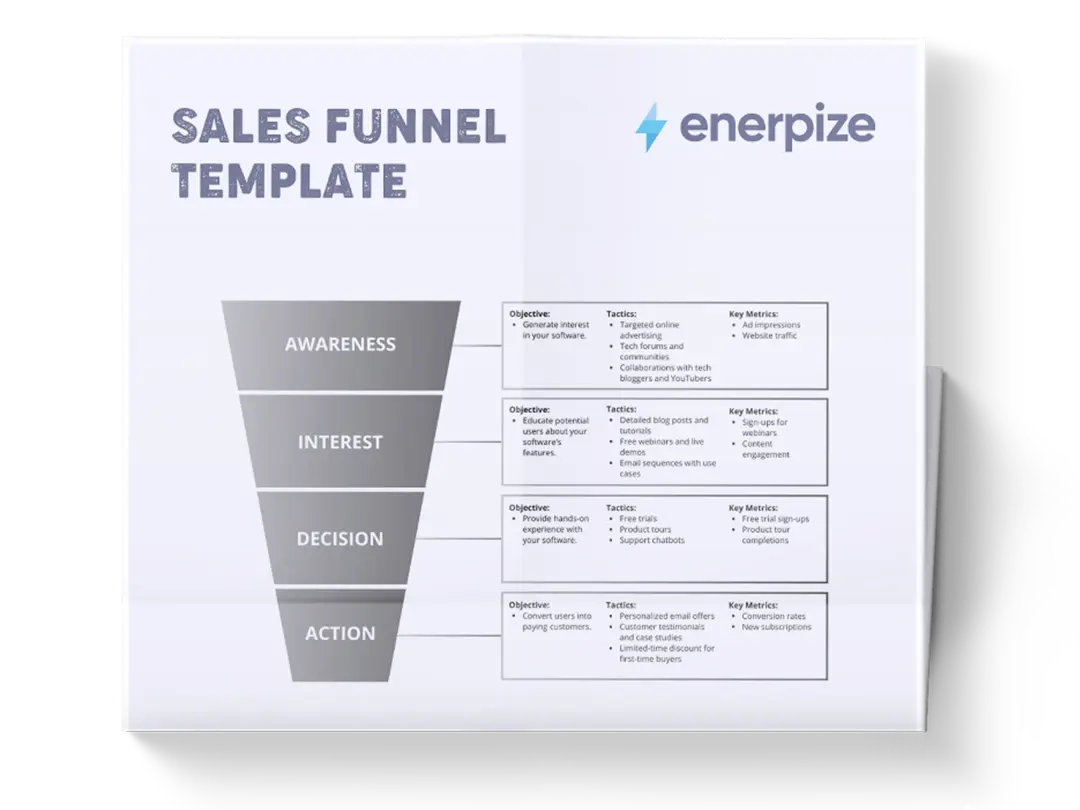
A sales funnel template is designed to organize, monitor, and manage leads as they move from initial awareness to active engagement and eventual conversion. Unlike high-level pipeline views that focus primarily on deal value, a funnel template emphasizes lead-level detail, communication history, and follow-up discipline.
It captures who the lead is, where they came from, how recently they were contacted, what action is required next, and their current status within the funnel.
What Does the Sales Funnel Template Contain?
Company Name
Identifies the organization associated with the lead. This provides a primary reference point for grouping, filtering, and reviewing prospects at an account level.
Contact Name
Records the individual you are communicating with. This ensures clarity on who the relationship is with and avoids confusion when multiple stakeholders exist.
Contact Position
Captures the role or title of the contact. This helps assess decision-making authority and informs how sales conversations should be framed.
Link
Stores a relevant reference link, such as a website, LinkedIn profile, or internal resource. This allows quick access to contextual information during outreach.
Projected Sale
Represents the expected monetary value if the lead converts. This field supports prioritization and revenue expectation without functioning as a forecast system.
Comments
Provides space for qualitative notes, observations, objections, or important context gathered during interactions. This preserves sales intelligence alongside structured data.
Date of Last Contact
Logs the most recent interaction date. This helps teams monitor engagement freshness and identify neglected leads.
Next Action To Take
Defines the immediate next step required to move the lead forward. This transforms passive tracking into actionable workflow management.
Date of Next Contact
Sets a clear follow-up timeline. This prevents leads from stalling due to missed or delayed outreach.
Status of Lead
Indicates the current position of the lead within the funnel. This reflects progression, stagnation, or disqualification.
Source of Lead
Identifies where the lead originated (e.g., referral, form submission, campaign). This supports channel evaluation and lead quality analysis.
Email Address
Stores the primary email for communication and follow-ups.
Phone
Records the contact’s phone number for direct outreach.
Fax
Provides an additional contact method where relevant, typically for traditional or enterprise environments.
Mailing Address
Captures the physical address associated with the lead or company.
City
Specifies the city location of the lead.
State
Identifies the state or region for geographic segmentation.
Zip
Records the postal code to support location-based analysis.
Country
Defines the country associated with the lead, useful for territory management or regional sales strategies.
How to Use the Sales Funnel Template
1- Start by entering core lead identification details
Begin with Company Name, Contact Name, and Contact Position. This establishes who the lead is and ensures every row represents a real, identifiable prospect.
2- Add contextual and reference information
Populate the Link and Source of Lead fields early. This provides immediate background and helps contextualize how and why the lead entered the funnel.
3- Estimate potential value
Enter the Projected Sale based on reasonable expectations. This should reflect potential, not certainty, and help guide prioritization decisions.
4- Document communication consistently
After every interaction, update the Date of Last Contact and add relevant notes in the Comments field. This prevents information loss and supports continuity.
5- Define the next move explicitly
Always complete the Next Action To Take field. Every lead should have a clear forward motion, even if that action is “awaiting response.”
6- Schedule follow-ups intentionally
Use the Date of Next Contact to enforce discipline. This date acts as a trigger for action and prevents leads from quietly going cold.
7- Update the lead status honestly
Set the Status of Lead based on actual engagement, not assumptions. Accurate status tracking is essential for funnel visibility.
8- Maintain complete contact details
Fill in Email Address, Phone, and other contact fields to ensure no friction during outreach.
9- Review the funnel regularly
Scan for outdated contact dates, missing next actions, or leads stuck in the same status. These patterns reveal breakdowns in the funnel process.
Related Templates
Importance of a Sales Funnel Template
Enforces Consistent Follow-Up Discipline
Many sales opportunities are lost not because of a lack of interest, but because of inconsistent follow-up. This template forces clarity by requiring a next action and a next contact date for every lead. As a result, sales activity becomes proactive rather than reactive. Teams no longer rely on memory, inbox reminders, or scattered notes. Over time, this consistency compounds into higher response rates and fewer dropped opportunities.
Creates a Single Source of Truth for Lead Activity
Without a centralized system, lead data often lives across emails, spreadsheets, and personal notes. This template consolidates all relevant information—contact details, communication history, and status—into one place. That shared visibility reduces miscommunication and duplication of effort. It also ensures continuity when leads change hands. The result is a more reliable and professional sales operation.
Improves Lead Prioritization and Focus
Not all leads deserve equal attention. By combining projected sale value, lead status, and engagement recency, the template helps teams focus on opportunities with real potential. This prevents time from being wasted on inactive or low-fit leads. Sales effort becomes intentional and aligned with impact. Especially for small teams, this focus is critical to efficiency.
Supports Funnel Visibility Without Complex Systems
For teams not ready for a CRM, this template provides structure without overhead. It introduces funnel thinking—progression, status, follow-up—without forcing process complexity. Leaders gain visibility into lead volume, movement, and bottlenecks. This clarity supports better planning and decision-making. It’s a practical bridge between ad hoc selling and scalable systems.
Who Can Use a Sales Funnel Template?
Startup Founders and Early-Stage Teams
Founders often juggle sales alongside product, hiring, and operations. This template gives them a simple yet disciplined way to manage leads without investing in complex software. It provides visibility into who needs follow-up, what opportunities exist, and where deals are stalling. That clarity is essential when resources are limited. It allows founders to stay close to revenue without chaos.
Sales Representatives Managing Individual Pipelines
For individual sellers, the template acts as a personal operating system. It structures daily outreach, prevents missed follow-ups, and keeps conversations organized. The communication log ensures context is never lost between calls or emails. This leads to more confident, informed conversations with prospects. Over time, it also helps reps improve their own process discipline.
Small Business Owners With Relationship-Driven Sales
Businesses that rely on referrals, inbound inquiries, or relationship selling benefit from detailed lead tracking. This template preserves relationship context while enforcing follow-up rigor. Owners can see exactly where each conversation stands. That balance between personal touch and structure is especially valuable in service-based businesses.
Sales and Operations Managers Needing Visibility
Managers can use the template to review lead activity, identify stalled prospects, and assess follow-up effectiveness. Even without automated reporting, patterns become visible through consistent use. This supports coaching, process improvement, and workload balancing. It also creates accountability without micromanagement.
Looking for Beyond Just Tracking Leads in a Spreadsheet?
While this sales funnel template helps you organize leads, manage follow-ups, and maintain funnel clarity, growing businesses often need more advanced capabilities. That’s where Enerpize, our all-in-one ERP platform, comes in.
With Enerpize online sales management software, you can:
- Centralize leads, customers, and communication history
- Automate follow-ups, reminders, and sales workflows
- Connect sales activity with finance, operations, and performance tracking
- Scale your funnel without losing control or visibility
If you’re ready to move beyond spreadsheets, Enerpize brings enterprise-grade control to growing teams.